
What Happens in the Brain During Free Play
Free play means child-directed activity with no adult goal attached. No outcome to achieve, no skill being drilled. This type of play activates something structured activity cannot: the brain's Default Mode Network.
What the Default Mode Network does
• It is the brain's integration mode, active when we are not being directed by external tasks
• It handles imagination, creativity,perspective-taking, narrative thinking, and self-concept formation
• It is where children synthesise their experiencesand make sense of the world
A 2012 paper in Science byAdele Diamond found that free play, especially imaginative play, is one of thestrongest builders of executive function
• Executive function predicts life outcomes morereliably than IQ alone
• It has three components, all built through play:
◦ Working memory:holding information in mind while doing something else
◦ Inhibitory control:resisting impulses in favour of a goal
◦ Cognitive flexibility:switching between ideas and adapting to change
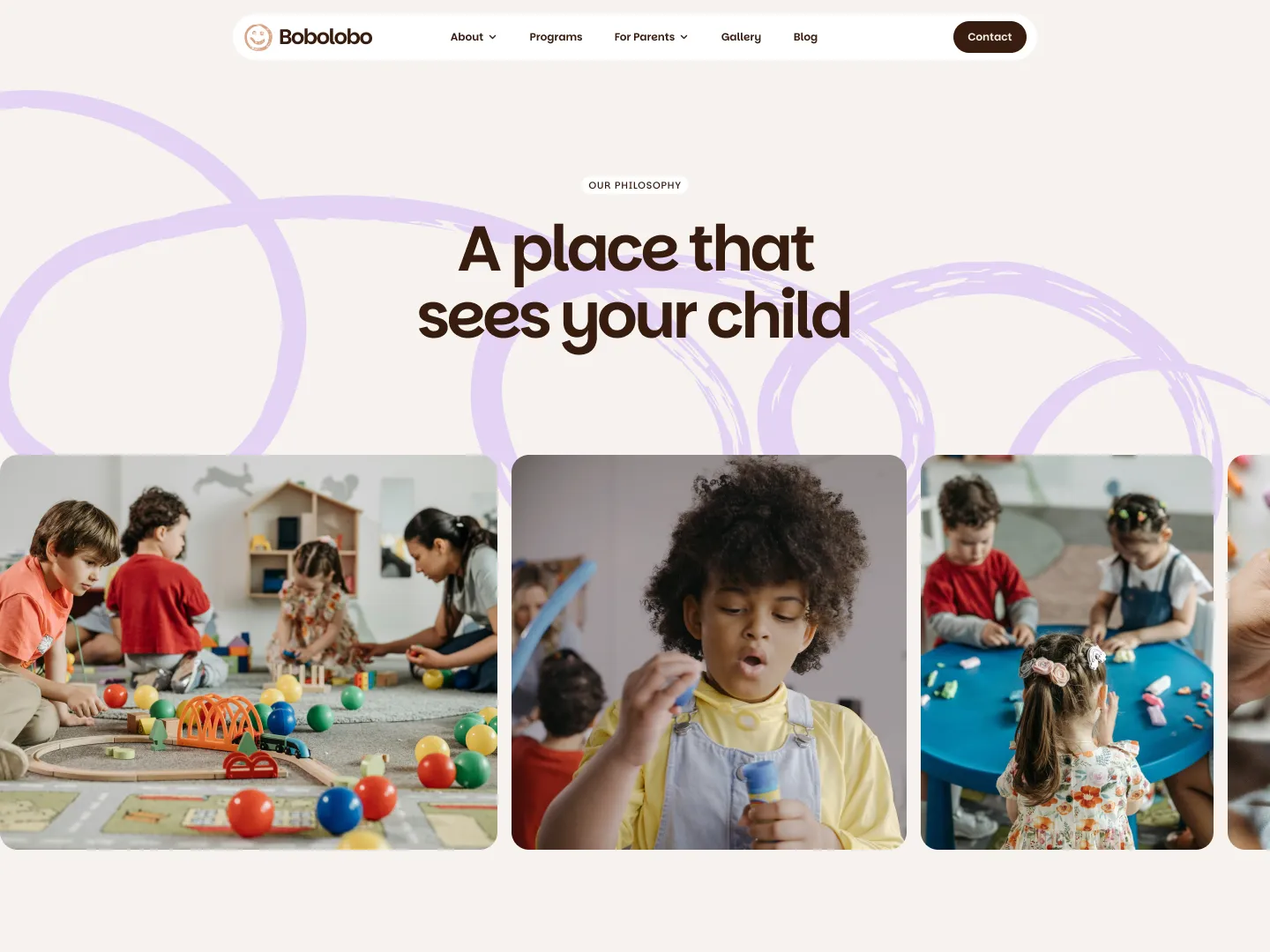
What a 4-year-old playing doctor is actually doing: Sheis practising working memory (remembering the rules of the game), inhibitorycontrol (staying in character when she wants to stop), and cognitiveflexibility (adapting when her patient changes the script). This is prefrontalcortex development dressed up as fun.
On boredom specifically
• A 2019 study in Academy of Management Discoveriesfound that bored participants significantly out performed others on creative tasks immediately after
• Boredom activates the Default Mode Network and drives creative thinking
• Children who are never bored never learn to generatetheir own ideas. They wait for someone to entertain them.

The Over-Scheduling Problem and What to Do About It
The American Academy of Pediatrics in 2019 recommended that paediatricians actively prescribe free play as a clinical intervention. This is how serious they considered the problem.
What over-scheduling actually does to children
• Structured activities build specific skills. Free play builds the capacity to learn anything.
• When adults control every hour, children miss the experiences the prefrontal cortex needs to develop self-regulation
• Research links heavy structured scheduling to higher anxiety, lower creativity, and reduced intrinsic motivation in children under 10
The Indian version of this problem
• Academic pressure starts at age 3 with nursery admission competition and early literacy drilling
• The cultural belief that busyness equals good parenting makes unstructured time feel irresponsible
• Screen-free time often gets filled with more structured activity rather than genuine free play
What the research recommends byage
• Under 8: at least 60minutes of completely unstructured child-directed play daily
• 8 to 11: at least 90minutes daily
• School holidays: flip the balance. Mostly free time, minimal programming.
What counts as free play: No screens. No adultgoals. The child decides what to do, how to do it, and when to stop. Sticks andstones, made-up games, neighbourhood friends, imaginary worlds. This is notnostalgia. It is what the prefrontal cortex needs to develop.
Sources:Diamond (2012), Science; Ginsburg et al. (2007), AAP Policy Statement; Gasper& Middlewood (2019), Academy of Management Discoveries; Gray (2013), Freeto Learn